
What to Expect During a Professional Epoxy Floor Installation: Complete Process Guide for Manchester NH Property Owners
Professional epoxy work in Manchester, NH relies on detailed surface preparation, high-grade materials and meticulous application to ensure floors remain strong and durable for years. The process involves multiple stages including concrete grinding, moisture testing, crack repair and systematic coating application that typically spans 2-3 days for residential projects.
Understanding the epoxy floor installation process makes it easier to prepare your space, schedule around the work, and get long-lasting results that handle Manchester’s harsh winters and humid summers. With Manchester’s big temperature swings, from icy winters to hot summers, professional epoxy installation is key to preventing defects and ensuring long-lasting floors.
We'll walk you through each phase of the epoxy flooring process, from initial concrete preparation through final curing, so you can make informed decisions about your garage floor, basement or commercial space. Professional epoxy floor contractors in Manchester understand how local weather patterns, freeze-thaw cycles and seasonal humidity changes affect installation timing and long-term performance across the city's diverse residential neighborhoods and commercial districts.
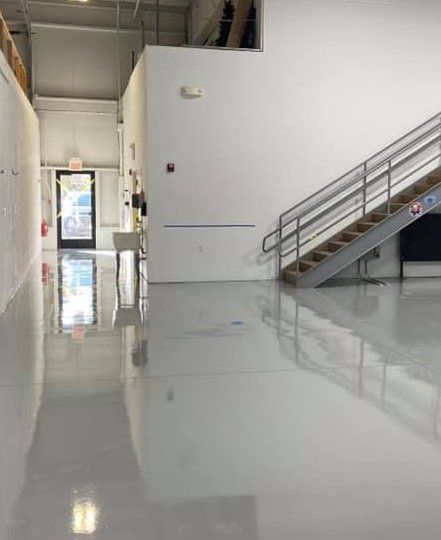
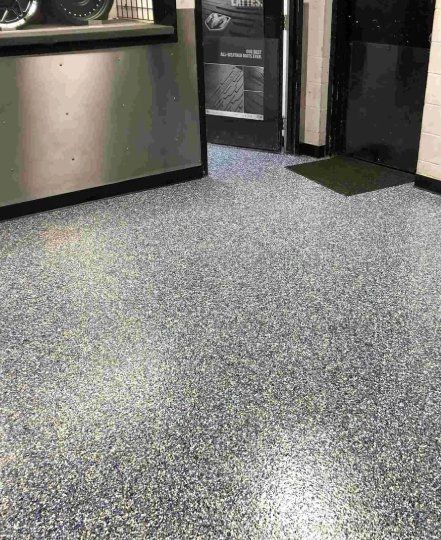
Understanding the Professional Epoxy Floor Installation Process in Manchester, NH
A professional epoxy installation relies on strict process control and material chemistry, where no step can be overlooked. Accurate preparation and climate management are essential to delivering epoxy floors that withstand New Hampshire’s harsh environmental demands.
Surface Evaluation and Project Planning
Prior to installation, professionals evaluate the concrete, usage requirements and site conditions. Planning ahead helps avoid problems and makes sure the epoxy system works correctly.
Key evaluation steps include
- Concrete age, density and integrity assessment
- Traffic load and usage analysis
- Moisture exposure and vapor risk review
- Climate and indoor environmental conditions
- System selection based on performance goals
This stage aligns expectations, timelines and performance outcomes before any mechanical work starts.
Concrete Preparation: The Foundation of Epoxy Performance
Epoxy performance depends heavily on surface preparation. When prep is rushed or incomplete, failure rates exceed 80 percent, underscoring its importance in the installation process.
Professional preparation includes
- Diamond grinding or shot blasting
- Removal of sealers, oils, and contaminants
- Crack chasing and substrate repair
- Surface profiling for mechanical bonding
- Final dust-free inspection
Ensure flawless results—premium epoxy coatings need proper surface preparation to prevent peeling, bubbling or delamination.
Moisture Testing and Environmental Control
Concrete gives off moisture on its own and older Manchester slabs are especially affected by groundwater and seasonal thawing. That’s why professionals test and manage moisture before any coating is applied.
Moisture management includes
- Relative humidity testing within the slab
- Moisture vapor emission rate analysis
- Identification of hydrostatic pressure risks
- Installation of moisture mitigation systems if needed
This step prevents blistering, adhesion loss and costly rework.
Epoxy Floor Installation Timeline and Curing Expectations in Manchester, NH
Realistic installation schedules help property owners coordinate access, operational routines and traffic restrictions. Proper curing time in professional epoxy installation is essential for durable, long-term floors and prevents defects caused by hasty application.
How Long Professional Epoxy Floor Installation Takes
Proper curing during professional epoxy installation guarantees durable floors and helps prevent problems that occur when the process is rushed.
Typical timelines include
- Residential garages: 1–2 days
- Commercial spaces: 2–4 days
- Industrial facilities: 3–7 days
Larger areas, multi-layer systems and moisture mitigation may slightly extend installation timelines to ensure optimal performance.
Epoxy Floor Curing Process Explained
Optimal strength and a professional-grade finish in epoxy flooring come from chemical curing under precisely controlled temperature, humidity and airflow.
General curing guidelines
- Light foot traffic: 12–24 hours
- Vehicle traffic: 48–72 hours
- Heavy equipment loads: up to 7 days
Monitoring environmental and installation conditions ensures the epoxy retains its gloss, hardness and long-term durability.
Frequently Asked Questions
Professional epoxy installation in Manchester involves specific timing requirements, concrete condition assessments and performance expectations that address common concerns. New Hampshire's climate conditions and the Merrimack River valley's humidity levels create unique considerations for epoxy flooring systems.
How long does it typically take to complete a professional epoxy floor installation?
In most cases, epoxy flooring installations take two to three days to complete, depending on the project scope and concrete integrity. The process begins with detailed surface prep, moisture testing and repairs that create a stable foundation for the coating system.
The second day involves primer application and base epoxy coating installation. We apply topcoats and decorative elements on the final day.
In Manchester, epoxy curing is affected by seasonal temperature swings, with spring and fall often ranging from freezing to 50°F. We maintain close control of temperature and humidity to ensure the coating adheres properly and cures fully.
Can existing imperfections in concrete floors be rectified before applying epoxy?
We repair most concrete imperfections during the preparation phase. Common issues include surface cracks, spalling, oil stains and uneven areas from settlement or wear.
Our repair process involves crack chasing with diamond blades, concrete patching compounds, and degreasing treatments. We address these issues before any epoxy application begins.
Manchester's freeze-thaw cycles create specific crack patterns in concrete slabs, particularly in garages and exterior-adjacent areas. We identify and repair these temperature-related damages as part of standard preparation.
Are there any safety concerns regarding slipperiness with epoxy flooring in wet conditions?
Standard epoxy creates a smooth surface that can become slippery when wet. We address this concern through anti-slip additives and textured topcoats designed for safety.
Garage entrances exposed to Manchester’s snow and ice benefit from slip-resistant epoxy coatings. The added texture delivers safer footing while maintaining the epoxy’s durability and resistance to wear.
Commercial installations often require specific slip-resistance ratings. We test and document these measurements to meet safety standards and insurance requirements.
What is the expected lifespan of a professionally installed epoxy flooring system?
Professional epoxy installations typically last 15-20 years in residential applications and 10-15 years in commercial settings with proper maintenance. Industrial environments may see 5-10 years depending on traffic and chemical exposure.
Manchester’s changing seasons create constant movement within concrete slabs. Our flexible epoxy solutions are engineered to handle expansion and contraction cycles, ensuring the floor remains intact, bonded and durable.
The Merrimack River valley's humidity levels require moisture-resistant epoxy systems. We select resins specifically rated for New Hampshire's climate conditions to maximize longevity.
Is epoxy flooring deemed safe for indoor usage in residential and commercial spaces?
Modern epoxy flooring systems meet strict indoor air quality standards and contain low or zero volatile organic compounds (VOCs). We use commercial-grade resins that comply with environmental safety regulations.
Cured epoxy creates an inert surface that doesn't off-gas harmful chemicals. The installation process requires temporary ventilation, but the finished floor is safe for continuous indoor use.
We provide documentation confirming that our epoxy systems meet residential and commercial building codes throughout New Hampshire. This includes compliance with Manchester's building permit requirements.
What type of maintenance should be anticipated following the completion of an epoxy floor installation?
Epoxy floors require minimal daily maintenance—regular sweeping and occasional damp mopping with pH-neutral cleaners. We recommend avoiding acidic or abrasive cleaning products that can dull the surface.
Annual deep cleaning and inspection help identify any wear patterns or minor damage before they become significant issues. We provide specific maintenance schedules based on traffic levels and usage patterns.
Manchester's road salt and winter debris require additional attention during snow season. We recommend entrance mats and regular cleaning to prevent salt accumulation that can affect the epoxy's appearance over time.
Ready to Upgrade Your Floors in Manchester, NH?
If durability, safety and long-term value matter, professional epoxy flooring delivers measurable results. Stop patching worn concrete and start investing in a system engineered for New Hampshire’s climate and real-world demands.
Request a professional epoxy flooring consultation today and experience performance-driven floors built to last—without guesswork, shortcuts or surprises.